Charismatic megafauna often assume the role of flagship species in conservation efforts, garnering substantial attention and resources. However, their popularity can inadvertently overshadow animal groups with less effective PR campaigns. One prime example of such overlooked groups is – you guessed it – herptiles. In conservation scenes, the “scaly”, “slimy”, and “icky” herptiles are the polar opposite of charismatic megafauna, such as pandas and koalas.

Herpetophobia (noun)
hər-pət-ə-ˈfō-bē-ə
: a morbid fear of reptiles
Herpetophobia is the irrational, overwhelming, and persistent fear of reptiles, and it is one of the most common phobias in the world. This pervasive fear of herptiles has not only diverted conservation funding away from these creatures. Today, we’ll take you through stories of how overlooking the ecological importance of herptiles has suppressed both ecosystem and human health.
Croaking the code: Frogs as ecosystem engineers
As part of the Tropical Amphibian Declines in Streams (TADS) project, a team of researchers from the University of Georgia closely studied a stream before and after it experienced a frog population decline. The 2008 study found that, surprisingly, tadpoles played a crucial role in maintaining the bottom of the food chain.
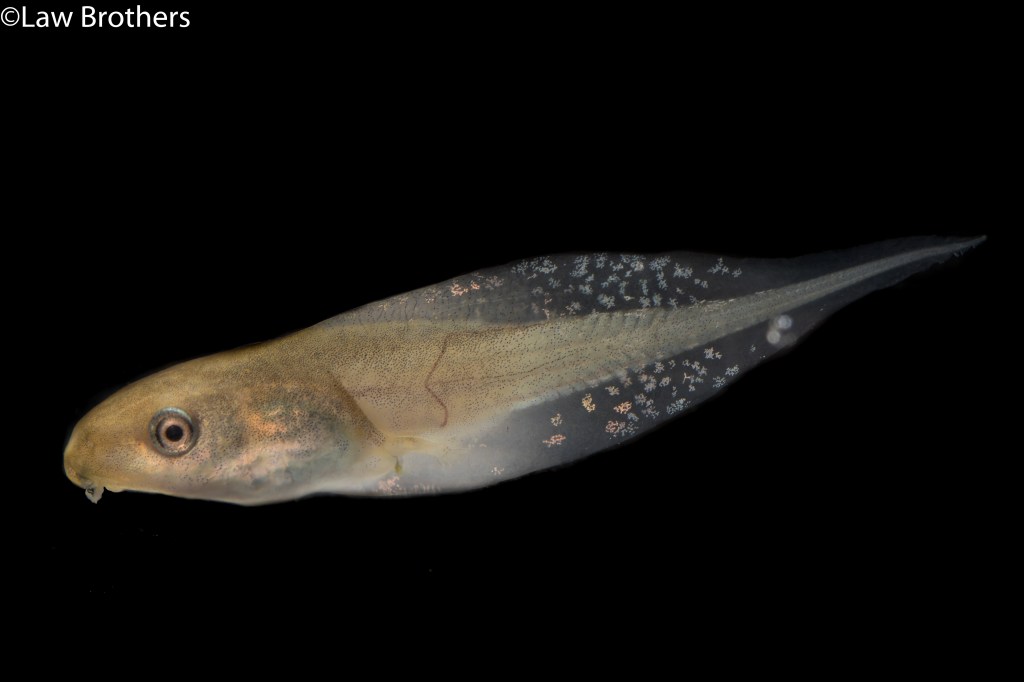
The researchers found that not only did the snakes that fed on frogs decline in population, but the total biomass of other invertebrates also plateaued in the two years following the loss of frogs.
As it turned out, while the amount of algae technically bloomed to about 250% greater after frogs disappeared from the stream, the algae were significantly less productive at turning sunlight and nutrients into food for other ecosystem members.
The tadpoles had helped stir up the streambed’s bottom, allowing the sediments to flow. With the tadpoles gone, sediments in the stream increased by nearly 150%, blocking out sunlight that the algae needed for nutrient conversion.
Shell-abrating slow and steady savers
Over the past few centuries, the Galápagos islands witnessed the removal of hundreds of thousands of tortoises. This extraction was primarily driven by human settlements that hunted these tortoises for food. Additionally, the introduction of farm or domestic animals further exacerbated the competition for resources as these animals escaped into the ecosystem.
Due to their sheer size and numbers, tortoises were key seed dispersers on these islands. As the tortoises dwindled in numbers, the vegetation in the region also underwent significant changes, one of which was the encroachment of woody plants that prevented other plants from growing.
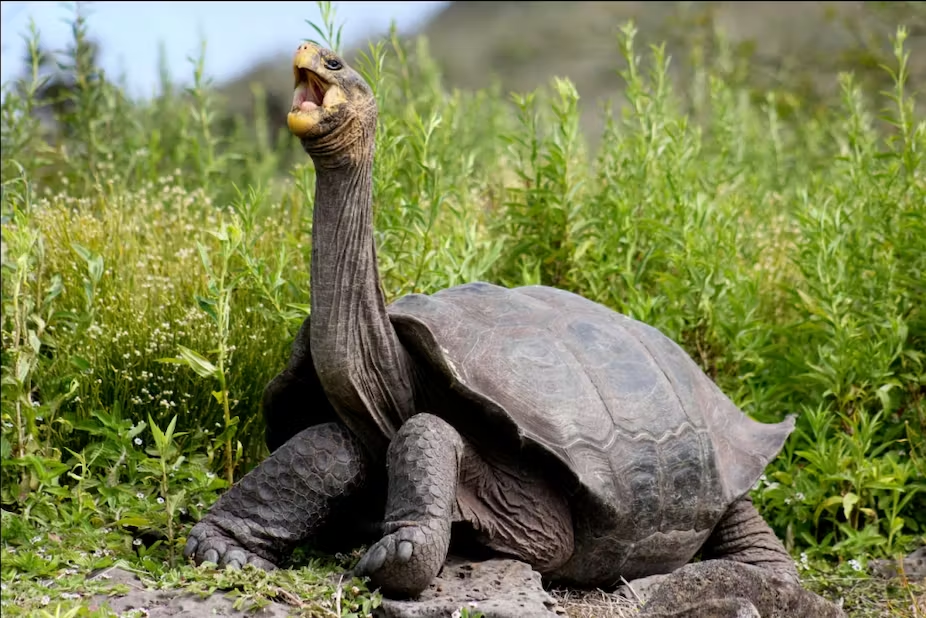
In 2008, a tortoise reintroduction programme on Espanola Island in the Galapagos proved particularly impactful. Researchers found that the reintroduced tortoises helped an endangered keystone species, the tree-like cactus (Opuntia megasperma), thrive, thereby increasing the overall well-being of the island’s ecosystem.
Rattling reminders: How snakes keep nature in check
Snakes are the most widely misunderstood among herptiles or even the entire animal kingdom. When people find it difficult to develop an affinity for these enigmatic creatures, the thought of them being beneficial might be far from their minds. This unfortunate perception challenge further compounds the struggle for scientists to prove their ecological worth.
Case in point: after 50 years of functional extinction in Alabama, United States, some ecologists began reintroducing the eastern indigo snake (Drymarchon couperi). One researcher hypothesised that the species would help regulate other snake populations as an apex predator, potentially protecting some songbirds. But just as he began to collect baseline data for his study, he received no further funding.
In 2013, conservation biologist Edward Kabay attempted to put a number to their ecological significance. He found that a single timber rattlesnake (Crotalus horridus) gets rid of 2,500 to 4,500 ticks annually by eating tick-infected field mice. This effectively could keep tick-borne diseases like Lyme disease at bay. Being a zoonosis, Lyme disease affects both humans and animals. While the study did not conclude how many human cases of Lyme disease we helped to prevent each year, these apex predators help to control the prevalence of zoonotic diseases in the wild.
Author: Rachel Teng
HSS Member
1 Nov ’23
References
Cosier, S. (2023). Snakes that eat other snakes could help birds in the South. Audubon. https://www.audubon.org/magazine/spring-2018/snakes-eat-other-snakes-could-help-birds-south
Gibbs, J. P., Márquez, C., & Sterling, E. J. (2008). The role of endangered species reintroduction in ecosystem restoration: Tortoise-cactus interactions on Española Island, Galápagos. Restoration Ecology, 16(1), 88-93.
Kabay, E., Caruso, N. M., & Lips, K. (2013). Timber rattlesnakes may reduce incidence of Lyme disease in the Northeastern United States. In Proceedings from the Ecological Society of America Annual Conference, 98th, Minneapolis, Minnesota.
Lovich, J. E., Ennen, J. R., Agha, M., & Gibbons, J. W. (2018). Where Have All the Turtles Gone, and Why Does It Matter? BioScience, 68(10), 771-781. https://doi.org/10.1093/biosci/biy095
MacFarland, C. G., Villa, J., & Toro, B. (1974). The Galápagos giant tortoises (Geochelone elephantopus) Part I: Status of the surviving populations. Biological Conservation, 6(2), 118-133.
University of Georgia. (2008). Ecosystem-level Consequences Of Frog Extinctions. ScienceDaily. https://www.sciencedaily.com/releases/2008/10/081016124252.htm
 Herpetological Society of Singapore